

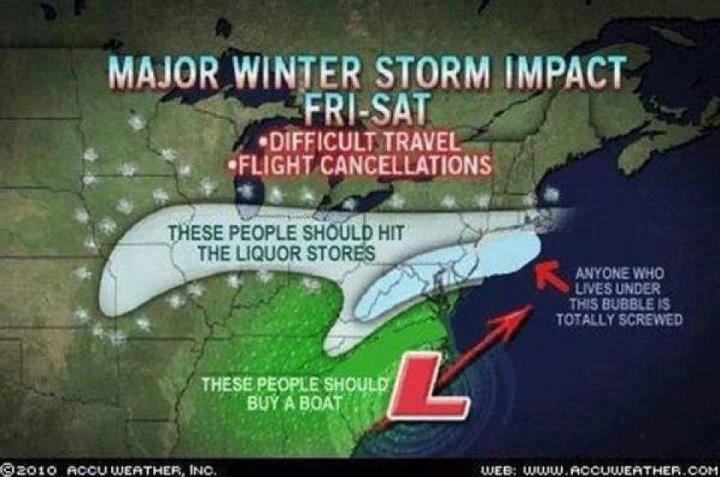
If you live on the East Coast, you know that Hurricane Sandy is planning on heading straight for us and possibly putting a damper on our Halloween! Typically, I can say that I live far enough inland that we will only have some minor flooding and extra high-winds, but this one looks like it might be worse. Of course, there are also the rare blizzards that we get in the winter that strand us for a day, but overall, we are lucky in that we don't live where we have to be TOO concerned. My mother-in-law, on the other hand, lives in Savannah, GA and hurricane evacuations are fairly common to her.
Still, whether it’s a late-October hurricane barreling up the coast or one of those heavy, wet snowstorms that drops more than the forecast ever admits, Mother Nature has a way of reminding us who’s in charge. After the winds die down and the snow finally stops falling, what’s left behind is usually a mess—branches scattered across the yard, gutters clogged with debris, and in winter, thick layers of snow pressing down harder than you’d like on the roof.
That’s when practical help becomes less of a luxury and more of a necessity. Heavy accumulation can strain shingles and gutters, and sometimes it’s safest to call in professionals to clean snow off a roof rather than risk a slippery ladder and a trip to the emergency room. The same goes for post-storm cleanup after a hurricane—mud, water damage, and debris often require a thorough cleaning service to get things back in order. Storms may come and go, but a well-handled cleanup restores that steady sense of home we all count on.
What often lingers after the visible debris is cleared is the less obvious damage that can quietly worsen over time if left unaddressed. Moisture trapped behind walls, under flooring, or within insulation can lead to structural weakening and persistent issues that aren’t immediately noticeable but gradually take a toll on the home.
In situations like these, services specializing in Water Damage Restoration Salt Lake City play a critical role in going beyond surface cleanup, identifying hidden problem areas and restoring affected spaces with care and precision. By addressing both the immediate aftermath and the underlying impact, this kind of support helps bring a home back to a stable, livable condition, allowing homeowners to move forward without the lingering worry of what might still be out of sight.
Once the immediate cleanup is finished, the roof itself deserves a closer look, because even storms that seem routine can quietly loosen shingles, bend flashing, or allow moisture to slip into places it shouldn’t. Water that lingers after melting snow or wind-driven rain can slowly work beneath roofing layers, weakening materials and eventually showing up as stains or drafts inside the home.
A careful inspection helps identify these small issues before they grow into larger structural concerns, and this is often where the experience of a skilled roofer becomes especially valuable, since trained eyes can recognize subtle signs of wear that most homeowners would miss from the ground. With minor repairs handled promptly and drainage systems kept clear, the roof can continue doing the quiet, dependable work it was designed for—shielding the structure beneath it from the unpredictable cycles of weather while preserving the comfort and security of the home below.
Of course, the roof isn’t the only part of a home that quietly deals with the aftermath of heavy rain or melting snow. Beneath the surface, drainage systems and septic tanks are carrying out their own essential work. When the ground becomes saturated, excess moisture can place additional pressure on these systems, slowing the natural flow and allowing buildup to form over time. A periodic inspection and maintenance routine helps ensure wastewater moves efficiently through the system rather than creating problems underground that later appear around the home.
Consistent care keeps the system operating the way it was intended. Pumping at the proper intervals, monitoring drainage patterns in the yard, and addressing minor concerns early can prevent larger complications down the road. Homeowners seeking reliable information often turn to https://alligatorseptic.com/ to better understand maintenance schedules and professional servicing. With thoughtful upkeep, a septic system can continue performing its steady, dependable role beneath the property while the rest of the home stays protected above.
Drain lines throughout the home require the same steady attention, particularly during seasons when excess water and accumulated debris place additional strain on plumbing systems that normally operate unnoticed in the background. Kitchen sinks, basement drains, and main sewer lines can gradually collect grease, sediment, soap residue, and other materials that restrict proper flow long before obvious warning signs appear indoors. Routine cleaning and professional inspections help keep these pathways clear, reducing the likelihood of backups, foul odors, or standing water that can disrupt daily life and place unnecessary stress on the property.
Homeowners searching for dependable service during urgent situations or preventive maintenance alike often rely on Zoom Drain Delaware for around-the-clock drain cleaning expertise designed to restore efficient flow and identify developing concerns before they become more disruptive. Careful monitoring and timely servicing help preserve the health of the entire drainage system, allowing wastewater to move efficiently while protecting both the structure of the home and the comfort of the people living inside it.
Being ready for a hurricane, snowstorm or natural disaster is about so much more than making the "French Toast run" to the grocery store (milk, eggs & bread). If you are a regular to this site, you are able to stock up on many of these things on the cheap and are already better prepared than most!
So what are the absolute basics that you have in your emergency kit? (more tips in the links below)
Bottled Water: we keep a few cases of bottled water in the house, even though the only time we use it is for road trips or to have "just in case". If you watch the sales, you can get a 24-pack of store-brand bottled water for about $3. Buy a few extra and designate them as your "emergency" bottled water.
Flashlights and batteries: if you have the kind of flashlight that uses a rechargeable battery, make sure that you have extra batteries constantly charged!
Toilet paper: do I really need to give you a reason why?
Canned goods and pantry staples: if your power is out for more than a day or 2 and you can't out of your neighborhood for a few days because of snow, ice or downed trees, the extra milk & eggs in your fridge will likely go bad and the bread will be long-gone. Having things like peanut butter, canned tuna or chicken, crackers, canned soup, etc will get you through those rough times (and if you have people in your house with food allergies, make sure that you have food for them as well!)
An extra FILLED propane tank for your gas grill: If you lose power for more than a few days, the meat in your freezer is going to start to spoil. If you have an extra tank for your grill, you can cook up that meat and not have it go to waste (Hey! Instant Atkins Diet!) or even heat a pot of water on your grill.
Medicines: if you can (and I know that this can be difficult depending on your insurance), make sure that you never have less than a 2-week supply of any life/health/sanity saving prescriptions on hand. You may be able to get out & about after only a few days, but storms in your area may CRIPPLE other areas, affecting trucks and deliveries to your pharmacy.
Candles: for when you want to see the other people in your house after 5:00pm
Wine: that may just be me!
A Generator: If you are reading this 3-7 days before the projected storm hits, please know that you have almost NO chance of finding one. But I urge you, in the strongest of possible terms, to consider saving up the $500-$1000 to buy one, especially if you live in an area prone to blizzards or hurricanes. It's not going to help you for THIS storm, but please be prepared for the future. The 2012-2013 winter is projected to be a harsh one and there will be many areas where the power will go out for days. Once this storm passes, consider asking neighbors if they want to "go in" on a generator for the winter. That could give you the cash to have it for this season and then you can always "buy them out" later (or continue the sharing agreement for YEARS). But once again - PLEASE don't wait until the storm is on its way to buy one. Be pro-active...buy one when there is NO snow or hurricane in the forecast!
I put out a call to some of my fellow bloggers to see if they had any tips for emergency preparedness and got some great posts! Please check out their tips:
- Are You Prepared For Hurricane Sandy?
- It's Hurricane Season - Are You Prepared?
- Hurricane Preparation Guide: What to Do and Buy Before a Hurricane
- Entertaining Kids When The Power Is Out (because without their XBox, there are only so many times you can tell them about the "old days" when you had no video games or iPads and your only entertainment was going on dinosaur hunts)
- Preparing For a Tornado and Creating a Mini Emergency Kit
- Preparing an Emergency Kit
- Why I Bother To Prepare
- Stockpiling for Storm Readiness
- Six Tips for Preparing for a Hurricane and other emergencies
What are your best tips for preparing for a hurricane, blizzard or natural disaster? Leave them in the comments!




Tina Dean Allen via Facebook
Funny you mentioned wine. I bought a bottle today to make sure I had some. Lol
Marilyn
Even better than traditional candles are the new flameless ones. They give off more light in many cases, and are safer around children and pets. Be sure to keep extra batteries handy just in case you need to replace them. Most of these do last for quite a while on their batteries.
Good luck to everyone. We are near Pittsburgh, and at this time lots of rain is predicted for us. Of course, you never know what Mother Nature might throw at us.
Marilyn Petruska via Facebook
Even better than traditional candles are the new flameless ones. They give off more light in many cases, and are safer around children and pets. Be sure to keep extra batteries handy just in case you need to replace them. Most of these do last for quite a while on their batteries.
Good luck to everyone. We are near Pittsburgh, and at this time lots of rain is predicted for us. Of course, you never know what Mother Nature might throw at us.